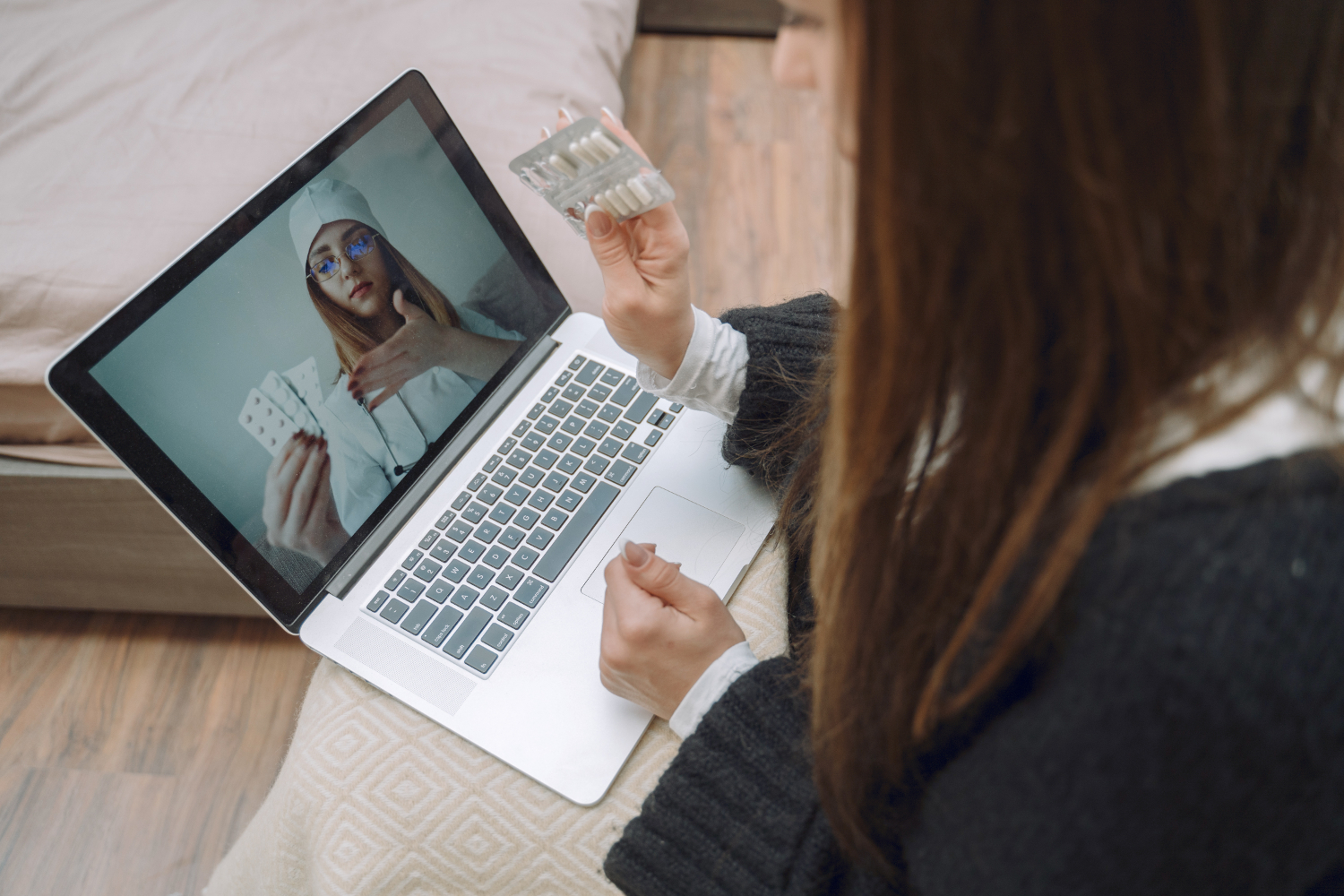
Telemedicine psychiatry is transforming mental health care by making support for conditions like anxiety and depression more accessible and convenient. In today’s busy world, many people struggle to find the time or resources to seek help. Telemedicine eliminates barriers such as travel, long wait times, and stigma by enabling virtual connections with licensed professionals. This modern approach ensures that individuals can prioritize their mental health without disrupting their daily lives, providing a safe and comfortable way to access care from anywhere. It’s a step forward in ensuring mental health services reach those who need them most.
Understanding Anxiety and Depression
Anxiety and depression are two of the most common mental health conditions affecting millions worldwide.
- Anxiety is characterized by excessive worry or fear about everyday situations. Symptoms may include restlessness, rapid heart rate, muscle tension, and difficulty concentrating.
- Depression involves persistent feelings of sadness, hopelessness, and a lack of interest or pleasure in activities. Common symptoms include fatigue, changes in sleep and appetite, and difficulty concentrating.
Prevalence Globally
These conditions are widespread and continue to rise. According to the World Health Organization (WHO), approximately 280 million people suffer from depression globally, and anxiety disorders affect an estimated 301 million people. The growing prevalence highlights the urgent need for accessible mental health care.
Challenges in Accessing Traditional Mental Health Care
Despite the prevalence, many individuals face barriers to treatment, such as:
- Geographic Barriers: People in rural or remote areas often lack access to qualified mental health professionals.
- Financial Constraints: High costs of therapy or a lack of insurance coverage can prevent individuals from seeking care.
- Stigma: Fear of judgment or social stigma can discourage people from reaching out for help.
- Long Wait Times: Overburdened systems often lead to delays in accessing timely care, leaving symptoms untreated.
Addressing these challenges through innovative solutions like telemedicine psychiatry can significantly improve access and outcomes for individuals struggling with anxiety and depression.
How Telemedicine Works for Mental Health
Telemedicine psychiatry uses digital tools to provide psychiatric care remotely, allowing patients to connect with healthcare professionals from the comfort of their homes. This service typically includes a wide range of mental health support, from initial consultations to ongoing therapy and medication management.
Video Consultations
One of the most common forms of telemedicine psychiatry is video consultations. Through platforms like Zoom or specialized healthcare apps, patients can meet with their psychiatrist face-to-face, discuss their symptoms, and receive advice or prescriptions. Video calls offer a sense of personal interaction that is crucial for the therapeutic process while maintaining the convenience of remote care.
Remote Prescriptions
Telemedicine allows psychiatrists to prescribe medication remotely, ensuring patients continue receiving the necessary medication without needing to visit the office. Doctors use secure online systems to assess the patient’s condition and prescribe appropriate medication, which can be delivered to the patient’s home or picked up at a local pharmacy.
Virtual Therapy Sessions
In addition to video consultations, telemedicine can also support virtual therapy sessions. These sessions typically involve talking therapies like Cognitive Behavioral Therapy (CBT) or Dialectic Behavioral Therapy (DBT) where patients can receive guidance on managing anxiety, depression, and other mental health issues. Many therapists use secure messaging platforms, calls, or video to conduct these sessions, making therapy more flexible and accessible.
Bridging the Gap for Patients in Remote or Underserved Areas
Telemedicine is a game-changer for patients in remote or underserved areas who may not have access to in-person mental health services. By removing geographical barriers, telemedicine enables individuals to access care that would otherwise be out of reach. This has been especially crucial during the COVID-19 pandemic, where physical distancing made traditional in-person visits difficult.
Differences Between Telemedicine and In-Person Consultations
While telemedicine provides convenience and accessibility, there are a few differences compared to traditional in-person consultations:
- Personal Connection: In-person visits allow for more direct, personal interaction, which some patients find comforting.
- Technology Dependence: Telemedicine requires reliable internet access and basic tech skills. If these are unavailable, patients might face challenges.
Nonetheless, telemedicine remains a valuable tool in expanding access to mental health care, especially for those who may otherwise not receive the support they need.
Benefits of Telemedicine Psychiatry for Anxiety and Depression
Telemedicine offers many benefits, especially for people struggling with anxiety and depression. These mental health conditions can make it hard to seek care, but telemedicine makes it easier to access help from the comfort of home. Here’s how it can help:
Improved Access to Care
Telemedicine makes psychiatric care more accessible, especially for people in rural or underserved areas. Traveling for appointments can be difficult for many, but with telemedicine, patients can easily connect with a mental health professional online. This increases the chances of getting timely care and support.
Convenience and Comfort
Therapy or psychiatric appointments from home can be less stressful for patients. It eliminates the need to travel and reduces the anxiety of going to a clinic. This can help people feel more at ease and encourage them to stick with their treatment plan. Being in a comfortable space can make a big difference in how people engage with their therapy.
Saving Time and Money
Telemedicine saves time and money. There’s no need to take time off work or pay for transportation to visit a clinic. This makes it easier for people to continue their care without added stress or financial burden. For many, the cost savings make mental health care more accessible.
Faster Care and Follow-Ups
Telemedicine makes it easier to schedule appointments and follow-ups. For people managing anxiety and depression, regular check-ins are important to make sure treatment is working and to adjust medication if needed. Virtual appointments can be quicker and more convenient, allowing patients to get the support they need right when they need it.
Privacy and Comfort
For some, privacy is a big concern when seeking mental health care. With telemedicine, patients can receive care from their home, ensuring their privacy is respected. This can help reduce the anxiety that comes with going to a clinic and make it easier for people to open up during their sessions.
How to Prepare for a Telemedicine Psychiatry Session
Preparing for a telemedicine psychiatry session is a simple yet important step in ensuring that you have a productive and effective virtual appointment. Here are a few tips to help you get the most out of your session:
Ensure a Stable Internet Connection
A reliable internet connection is crucial for a smooth virtual session. Test your internet speed and connection before the appointment to avoid disruptions during the meeting. If possible, use a wired connection for better stability, or move closer to your Wi-Fi router if you’re using wireless.
Choose a Quiet, Private Space
Select a quiet and comfortable location where you can focus without distractions. Privacy is also important, as you will be discussing personal matters. A space where you feel safe and can speak freely will help you engage more openly during the session.
Prepare a List of Symptoms, Questions, and Goals
Before the appointment, take some time to note down your symptoms, any changes in your mental health, and any questions you might have for your psychiatrist. If you’re managing anxiety or depression, tracking your mood or triggers in a journal can provide helpful insights for the session. Setting clear goals for the appointment helps guide the conversation and ensures you address important points.
Understand Privacy Policies and Data Security
Telemedicine platforms take patient privacy seriously, but it’s important to familiarize yourself with the platform’s privacy policies. Make sure that the telemedicine service uses secure, HIPAA-compliant software to protect your personal information. Understanding these policies helps you feel more comfortable and secure during the session.
When Telemedicine is a Good Option
Telemedicine psychiatry can be a great option for many patients, especially those experiencing mild to moderate anxiety or depression. Here are a few scenarios where telemedicine can be particularly beneficial:
For Patients with Mild to Moderate Anxiety or Depression
If your symptoms are manageable but still require attention, telemedicine provides an accessible way to receive care without the need for an in-person visit. It’s often a practical first step before engaging in more intensive treatments. Patients can discuss their symptoms, receive guidance on managing their condition, and have access to medications, all from the comfort of their own home.
When Immediate Care is Needed, but Access to In-Person Care is Limited
In situations where access to in-person care may be challenging—due to geographical location, mobility issues, or urgent needs—telemedicine can bridge the gap. Virtual appointments allow patients to quickly get the help they need, whether it’s for ongoing care or to address a sudden increase in symptoms.
Complementing In-Person Care for a Holistic Treatment Approach
Telemedicine doesn’t replace in-person visits but can complement them by providing more frequent follow-ups and support between physical appointments. For instance, patients can have a telemedicine session to monitor their progress, adjust medications, or discuss any concerns without waiting weeks for an in-person visit. This flexible approach helps to create a more holistic and continuous care plan.
Final Thoughts
Telemedicine psychiatry has proven to be an effective and convenient option for managing anxiety and depression, offering many of the same benefits as traditional in-person consultations. With advancements in technology, it has become easier than ever to connect with mental health professionals from the comfort of your home. For many individuals, this method of care is not only effective but also provides flexibility and reduces barriers like travel time and physical accessibility.
If you’re struggling with anxiety or depression and feel that telemedicine might be a good fit, consider exploring this option. It offers the same level of expertise and personalized care as in-person visits, all while fitting more seamlessly into your daily routine.
Don’t hesitate to take the first step toward better mental health. You can schedule a consultation or learn more about how telemedicine can be a valuable part of your mental health care plan today.
Leave a Reply